Oxfordshire’s Glimpses of a Possible Future (Part 3)
Glimpses of Spatial Justice
Welcome to part three of our analysis of Glimpses of a Possible Future, our podcast series, where we’ll be linking things back to Makespace’s dimensions of spatial justice. Check out part one and part two, if you haven’t already.
How does all this relate back to Makespace’s understanding of (at least) five dimensions of spatial justice?
The move toward long-term stewardship and community ownership
Spatial justice dimension: democratising ownership
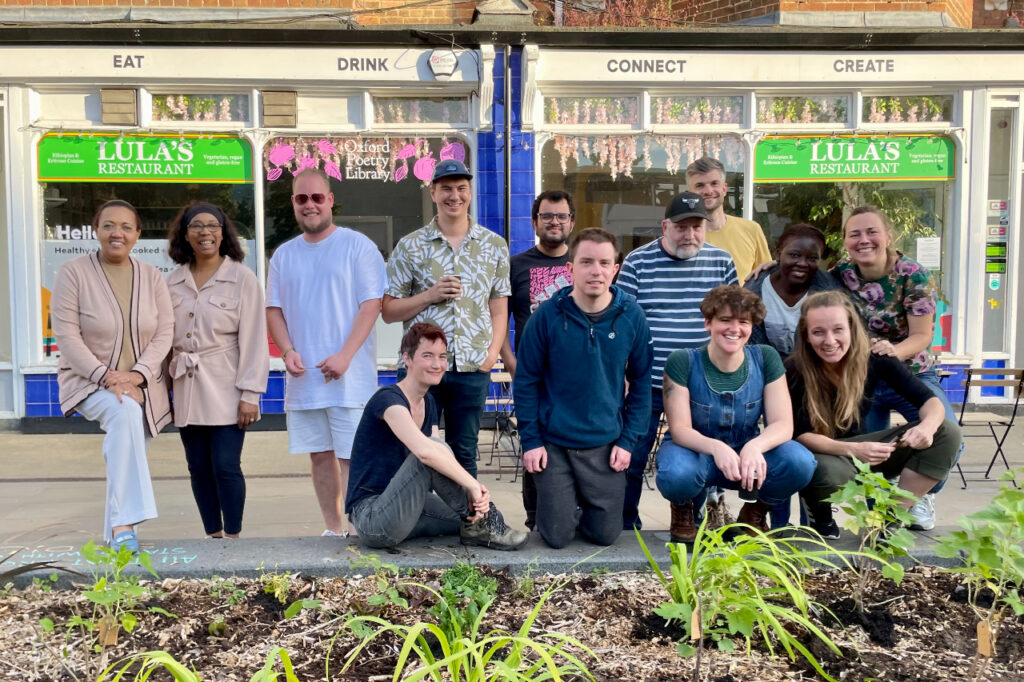
One of Makespace’s four missions is to be part of transforming the land and property system. Exactly what this could look like in 50 or 100 years remains to be seen, but right now, the tools available to us include long-term stewardship and community ownership.
This also links to the spatial justice dimension of democratising ownership. As we put it in our refounding blog,
“In a spatially just future, land and property is in local and democratic ownership — so communities hold the power to create healthy, thriving, just spaces for all.”
Throughout our conversations, we saw how vital this is for nonprofits and community organisations, as they need security to thrive. Charities like Mandala Theatre or YWMP might be able to exist while being shunted from short-term space to short-term space, but just imagine what they could do with more security.
Places shaped by the people who bring them to life
Spatial justice dimensions: governance, and design and development
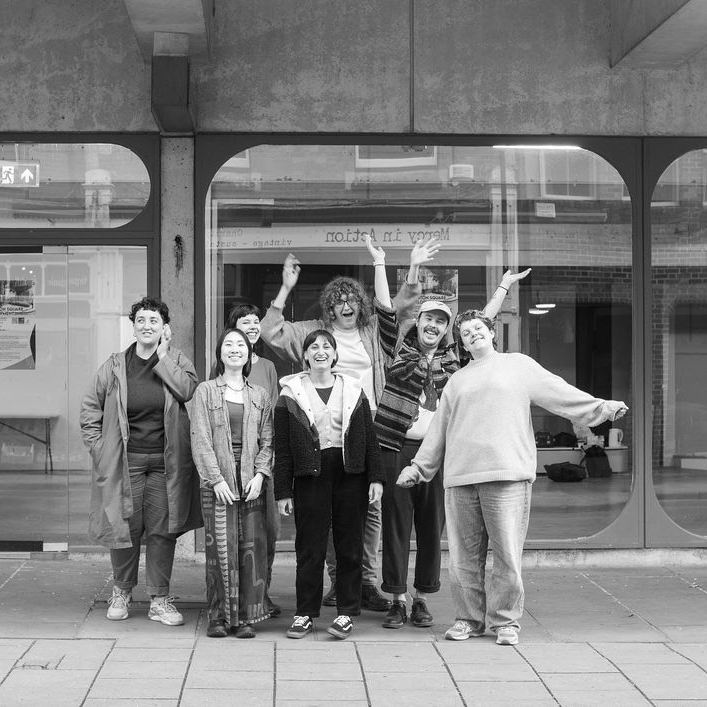
Photo: Haley Hall
Places should be shaped by the people in them, whether that’s the people of Berinsfield deciding what services they need or a steering committee of young people and other community members co-creating a safer spaces policy for YWMP that truly serves them.
This links to two of our spatial justice dimensions:
Governance,
“Spatial justice means decisions about managing spaces are made by those who live, work and gather there — by people of every identity, centring the voices historically left unheard.”
And design and development,
“Under spatial justice, design and development is done by and with communities, not to them.”
Too often, we see a top-down approach where an organisation or government body might try to dictate how a space should run or what a community needs. But, this is no way to build a strong community. We need participation and co-creation to move towards the healthy, thriving Oxfordshire (and beyond) that we want to see. This can mean hard work along the way, but if you want a village, you have to be a villager.
Not everyone holds the same resources when accessing space
Spatial justice dimension: democratising access

Spatial justice recognises that not everyone has the same resources when accessing space. So, it’s not just a case of making sure everyone has equal access to space, but making it equitable and recognising that people and communities start from different positions and face different barriers. It’s also why one of Makespace’s missions is to build capacity within communities, helping everyone to have the tools and resources they need to thrive.
This reflects the spatial justice dimension of democratising access,
“Spatial justice dismantles the barriers to accessing shelter and safe spaces (such as ableism, costs, the right to evict, feeling unwelcome or at risk). Local residents, communities and socially-trading organisations have security of access, through new forms of contracts and covenants that put justice first.”
Throughout the series, we speak with people who respond to these realities. For example, Natty Mark’s African School brings educational opportunities directly into neighbourhood spaces, recognising that not everyone can access learning opportunities elsewhere. YWMP creates space for women and trans and non-binary people in music because mainstream music venues and scenes have often felt unsafe or exclusionary to these sections of society. Mandala Theatre centres the voices of the global majority and white working-class communities whose stories are frequently underrepresented.
These conversations illustrate that you can’t create thriving neighbourhoods by providing identical spaces everywhere. But, access to the right kinds of spaces and resources, tailored to the needs of specific groups or localities, can grow into something wonderful.
We should aim for thriving neighbourhoods for all
Spatial justice dimension – use of space
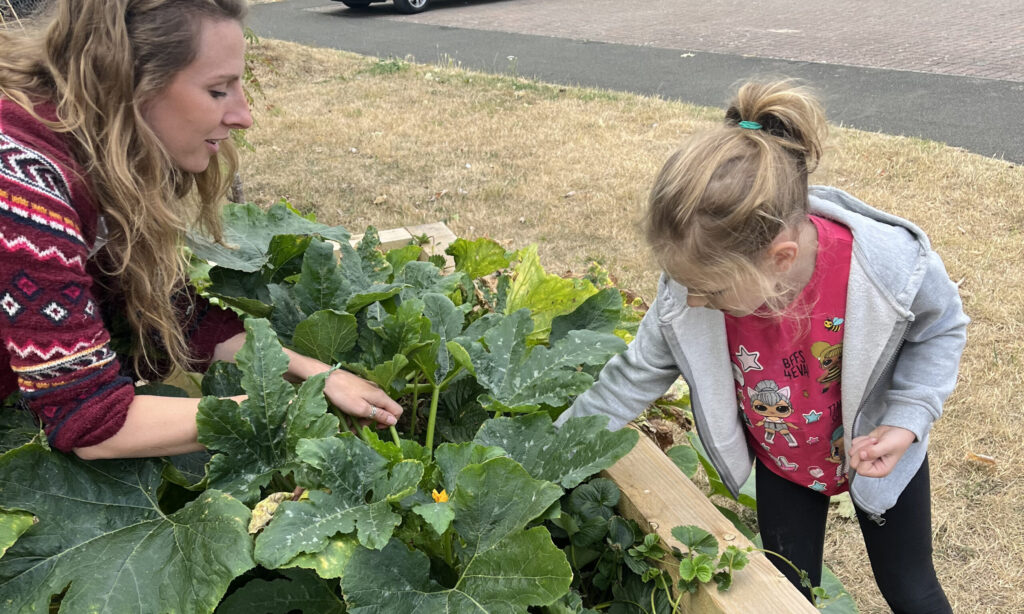
Our North Star is spatial justice, which we see as a future where everyone has access to the safe, secure, affordable and beautiful spaces they need to live happy, healthy, creative and connected lives; where communities develop power and belonging in their places; and where our property system helps us live well within planetary boundaries. This is part of our mission to transform the land and property system.
We want a world in which our neighbourhoods and communities are thriving. It’s not enough to settle for them just getting by. As George Monbiot suggests, “we need public luxury and private sufficiency.”
This brings us to the spatial justice dimension use of space,
“Buildings and land bring people together to create regenerative economies, open pathways for liberation, and revive and restore our natural world. We use space not just to meet immediate needs, but to rebuild the social and cultural infrastructure that enables people — and our more-than-human kin — to thrive.”
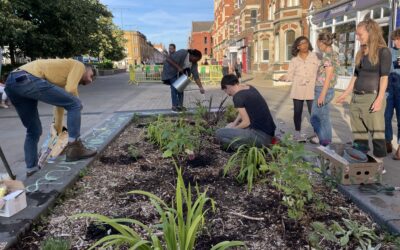
Community gardens, high street sustainability hubs, material repair and reuse centres, community-run cinemas and music venues are all places where people can connect, learn, and grow. Why should we settle for having the bare minimum needed to survive when we could create spaces for people to thrive?
The future is already here
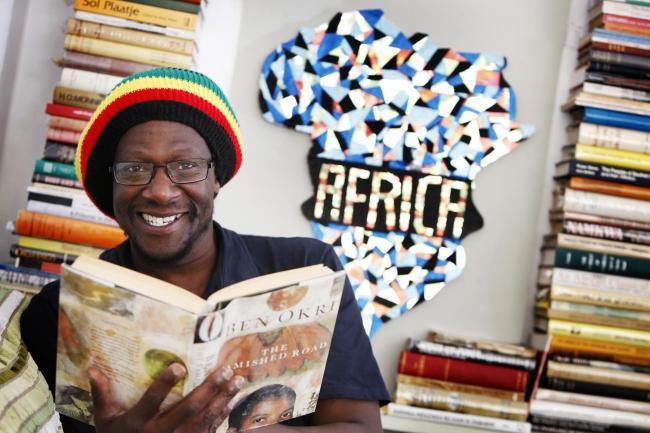
Taking a closer look at the ingredients our guests offered up for a possible future, we’re struck again by how many individuals and organisations are already making headway on it. We’re proud to be part of this growing movement that is emerging and demonstrating how people already have the knowledge and to solve the big problems of our time, they just need space and resources to grow and thrive. In the words of William Gibson, “the future is already here, it’s just not evenly distributed.”
We’re invigorated and inspired by seeing the care and effort folks around us are putting into making the world a better place, one community garden, youth group, or climate hub at a time.
Listen to any episodes you missed or want to revisit on Castbox, Spotify, Apple Podcasts, and most other platforms.
We would love to hear what you think or your own glimpses of a possible future on our social media channels. Head to Instagram, Facebook, LinkedIn, or Bluesky to comment or share.
Finally, if you’re able to fund future seasons of Glimpses, drop us a line. We have so many more stories to share.