Oxfordshire’s Glimpses of a Possible Future (Part 2)
Themes emerging from the conversations
In this instalment, we’ll be delving into the themes that emerged from our conversations. If you didn’t mean to start here, go back to part one.
A healthy, thriving neighbourhood relies on equitable access to space
To some, a building might just be a building. But, to local community groups, organisers, charities, family businesses and social enterprises, it’s so much more. We saw this come up again and again while talking with our guests on this podcast. And this is a big part of why Makespace Oxfordshire supports organisations into space; it helps create thriving neighbourhoods. The kinds of infrastructure we need in our communities – repair cafes, climate hubs, youth centres, music venues, swap shops, and so much more – cannot exist without space.
Take YWMP finally gaining The Nest after years of precarity, for example. This has given young people in Oxfordshire a place to make their own, to make noise, gain confidence, build community, and learn about music. On the other hand, although Mandala Theatre has been doing meaningful work for 20 years, it’s still desperately in need of a permanent home, which impacts the young people it works with. “I think young people need to see that there are long term possibilities, spaces that they can really own, because the space that they’re in has a long life with it,” says Yasmin Sidhwa in the Mandala Theatre episode. “So they can come and, artistically, help create it, make it.”
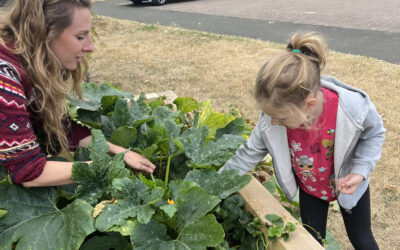
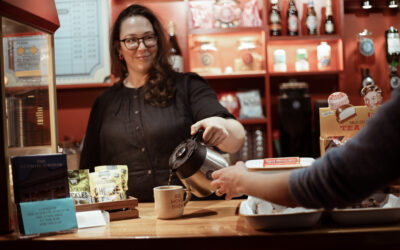
We also discussed Ultimate Picture Palace’s fight to secure its future, community gardens needing long-term land access, and how transformative having a visible high street hub has been for Sustainable Wantage.
It’s clear from these conversations that space is a vital part of building capacity in communities. It provides a sense of security and stability, without which it can be difficult for organisations to grow and thrive. It also contributes to communities feeling a sense of ownership of their neighbourhoods and is a place where people can see themselves reflected.
It’s never just a building or just a piece of land. It contains the seed of something so much bigger and more beautiful.
We need a move toward long-term stewardship
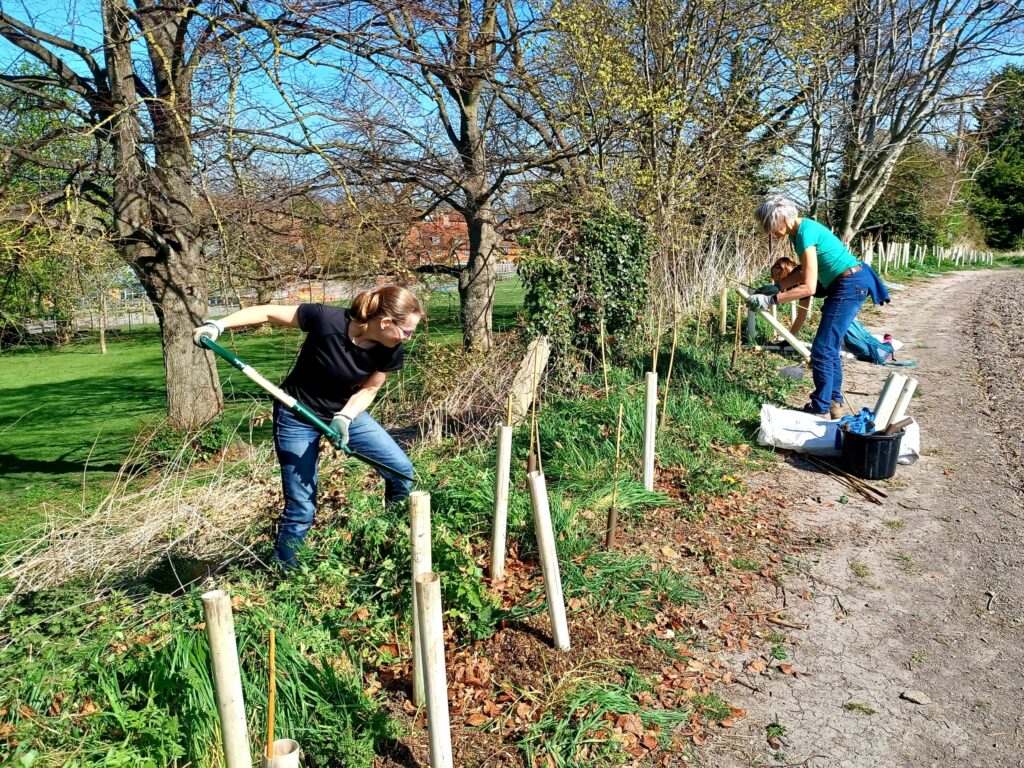
Short-term, meanwhile spaces serve a purpose. They can be a way for organisations to get a foot in the door and it often leads to longer-term arrangements. However, our discussions made it clear that long-term stewardship is needed for organisations to truly flourish.
This is something we’re well aware of at Makespace Oxfordshire. We work with meanwhile use as a catalyst for long-term change, and are actively working toward a future that is centered around community ownership and the transformation of the land and property system in ways people haven’t even dreamt up yet. We secured our first long-term community asset: a 40-year lease on a future civic space, set to open on George Street in Oxford in 2027-2028. But we’d love to see long-term security all over the county, and this is something that came up a lot during the podcast.
“When working with land, you want long term security,” Marta Lomza remarks in our community gardens episode. “And I’m not talking 2 years, I’m talking 10, 20 years; I’m talking multigenerational. You want to know that there’s scope for developing and nourishing and nurturing a piece of land for generations to come.”
Yasmin Sidhwa of Mandala Theatre says that attendees need long-term spaces to feel secure, “young people right now need a space – Mandala needs a space – that is long-term, that is visionary, that enables all these possibilities to grow and be seeded there.”
On the other end of things Sustainable Wantage reflects on how 11 years in one building enabled experimentation and growth. As Jo Harvey notes in our conversation with Sustainable Wantage;
“Having a space that’s our main hub, it just makes such a difference. It made it possible to run a community fridge, because we had to have somewhere that we could open regularly enough to be worth picking up that food and being able to turn it over quickly. It’s made it possible to have a library of things, because we’ve got space.”
So, we can see a thread emerging through these conversations. Temporary projects can help sow the seeds, but enduring change is more possible in places where people and communities can put down deep roots.
Participation and co-creation make better spaces
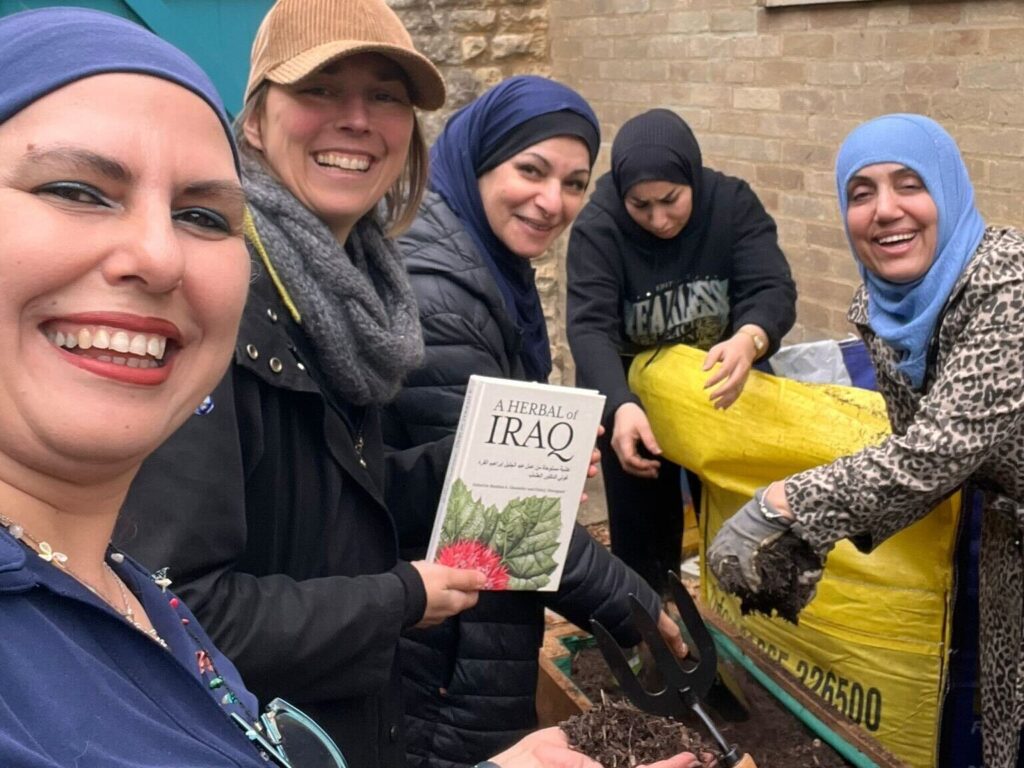
Another common thread is the idea of co-creation and active participation. Communities need to have a say in the spaces and services that are intended for them, and in many cases should take the lead.
One solid example is the Ultimate Picture Palace, a cinema that’s owned by the community. Those who have community shares and a strong team of volunteers help the theatre serve the neighbourhood rather than extracting from it.
“It was miraculous, the amount of love and investment that came pouring in from local people,” UPP director Micaela Tuckwell tells us. “We had, in the end, 1300 local people buy community shares in our community benefit society so that we could purchase the cinema on behalf of the community.” The major issue in the case of the UPP is that the building itself was recently bought by Oriel College, which has led to its current precarious situation.
We see it in a number of other ways across the podcast series. For instance, in YWMP co-creating a safer spaces policy with the young people and a team of volunteers, and actively wanting them to play a part in running the space. “Watching younger people have autonomy, like the fact that I can walk away and they’re running the space without me is like such a beautiful feeling, and I just want more of that, for them to feel powerful in their knowledge,” says Zahra Haji Fath Ali Tehrani in the YWMP Glimpses episode.
Then, there’s the Berin Centre holding extensive community consultation on everything to do with their new space. And Sustainable Wantage inviting people to shape their hub. Again and again, we see that people want to be a part of shaping their community spaces and social infrastructure when they have the opportunity to do so.
At Makespace Oxfordshire, we already encourage active participation from our residents and make space for co-creation. For instance, we involved a Community Advisory Board to consult on our forthcoming George Street civic space. It’s also why we have refounded as a Community Benefit Society built on co-operative principles, and have been working behind the scenes on a membership launch coming later this year.
Work is dedicated to fostering a sense of belonging
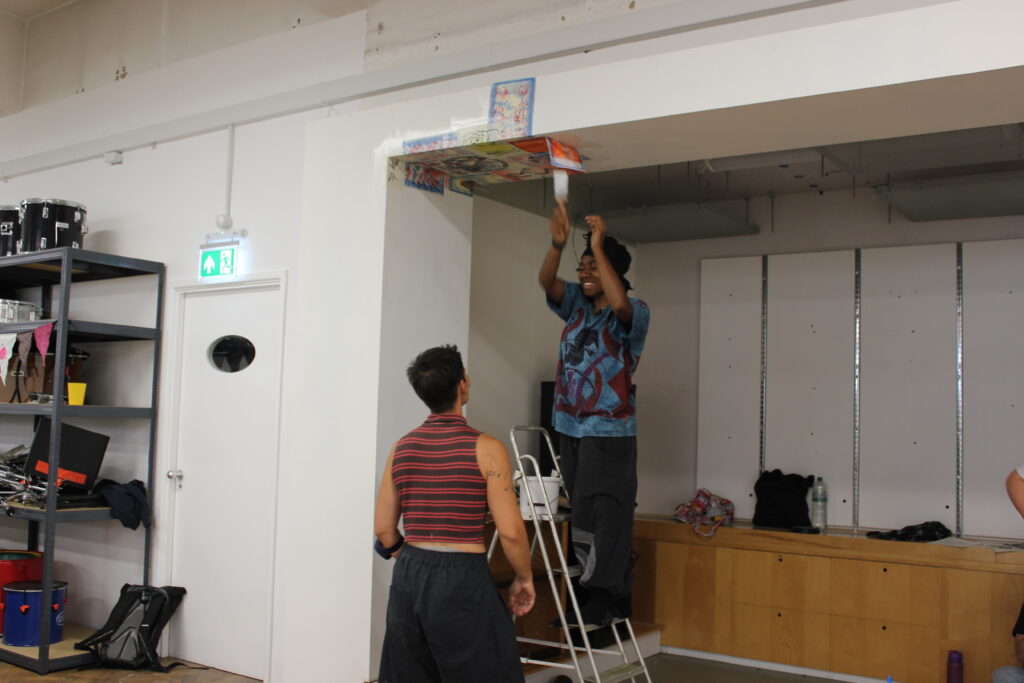
Spaces where people feel welcomed, safe and included result from deliberate actions by organisations. This is particularly evident in the case of YWMP, whose reason for being is to support women, and trans and non-binary young people in music. They have done extensive work on creating a safer spaces policy that comes with procedures and is a living, breathing document being put to use in The Nest, changing and adapting as needed.
“It’s not just about writing down a list of what you won’t tolerate and putting it on the wall and hoping that people adhere to it,” says Zahra Haji Fath Ali Tehrani about safer spaces work. Zahra and YWMP are masters of the warm welcome, which can foster a sense of belonging, whether that’s greeting and orienting people in the space when it’s their first visit to The Nest, or making sure there are always snacks on tap at YWMP’s sessions for young people.
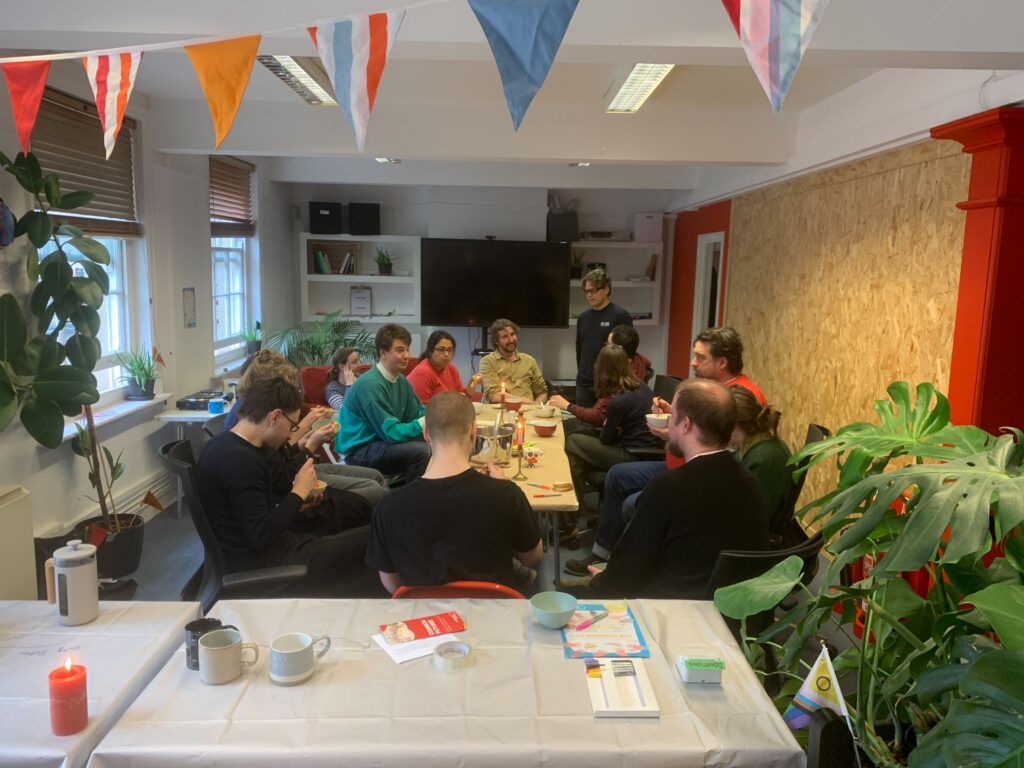
We’ve been inspired by YWMP in creating a safer spaces policy of our own, and having ongoing anti-oppression work within our team to break down unconscious biases. We also foster community within our residents with monthly lunches where we cook and eat together, alongside seasonal celebrations and other opportunities to connect.
In the Oxford Wood Recycling episode, we also hear how the organisation goes out of its way to create inclusive workshop environments,
“I think we’ve got a fantastically inclusive environment and I’ve had feedback from a lot of volunteers and parents of volunteers about how people feel included and part of the environment because they get the mick taken out and just as much as everyone else does,” Adrian Sell remarks. “People don’t get special treatment, they get included and treated as an equal part of the team and encouraged to join in and be part of that. And I think we’ve got very good diversity in terms of the gender split at the workshop and we work quite hard to try and make sure it feels like a safe space for everybody to be.”
This doesn’t necessarily mean that every space is for every person, though. For example, Mandala Theatre centres global majority and white working-class young people, which allows often-overlooked voices to be heard and for these groups to feel represented.
As YWMP says, one bad experience can stop people from returning, which is why it’s so important to create spaces where people feel comfortable, safe, and heard.
Make space for joy!
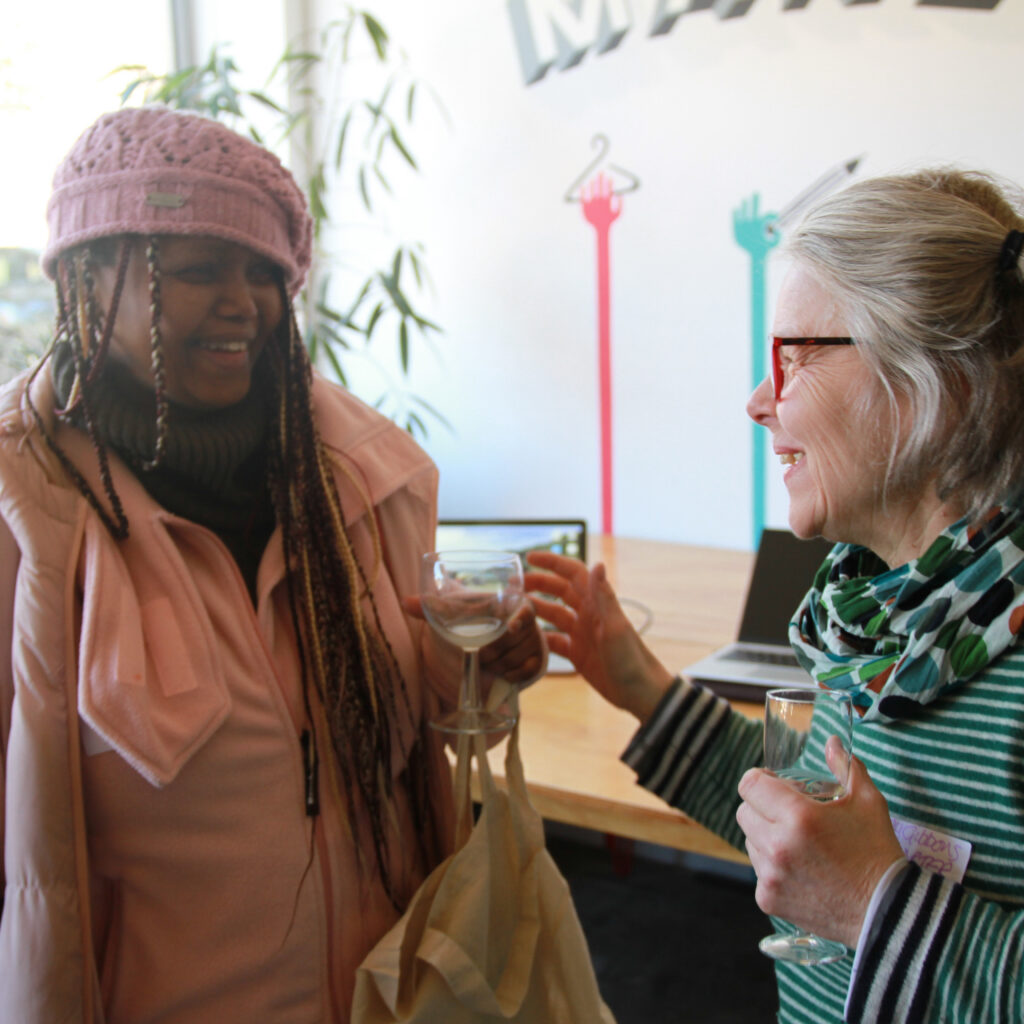
When working in community and aiming for social change, there are often tough conversations to have and meaty tasks to be done. But, it’s important to remember that the work and spaces that facilitate it can be joyful and can leave room for wellbeing.
At Oxford Wood Recycling, workshops are designed to be fun, not just practical. As OWR CEO Adrian Sell remarks, “it needs to feel like a safe space, it needs to feel like a supportive space but it also feels like quite a fun, joyous, happy place as well.”
YWMP creates spaces where its attendees can be loud and enjoy playing music and hanging out with their peers. The Berin Centre built a whole new building where the local community could gather for good food and drink, making new friends and connections. The UPP is a community cinema where people can watch movies and engage in their love of film. And, Paula Fontaine of Body Mind Soul CIC has a vision of gardens as spaces of healing, leading her to set up the wellbeing garden.
And, here at Makespace, we’ve put on a wide range of events over the years. Some of them have been serious and mission-focused, but others have just been about getting together and having a good time, like our summer parties by the canal or our series of all-ages art pop-ups. There has to be room for fun, creativity, and nourishing the soul if we want to have a chance of solving the big challenges of our time.
Now, head to part three, where we’ll discuss how this links back to spatial justice.