Glimpses of a Possible Future
Season 2
In this new season of Glimpses of a Possible Future, we talk to local people doing important work around Oxfordshire. People bringing communities together and tackling some of the biggest issues of our time, rooted in place and stewarding or reanimating space. They’re part of a growing group of people and organisations working in the area of spatial justice, Makespace’s North Star goal.
Each project comes at spatial justice from different entry points. It might be working with young people typically excluded from accessing space for music and culture, turning unused land into thriving growing spaces that bring communities together and provide healthy local food, or taking over vacant shops to create climate justice hubs. You can find out more about each episode and discover where to listen below.
The Berin Centre: Making space for the whole community in Berinsfield

Ultimate Picture Palace: Making space for community connection through film
YWMP: Making space for young women, trans and non-binary people in music
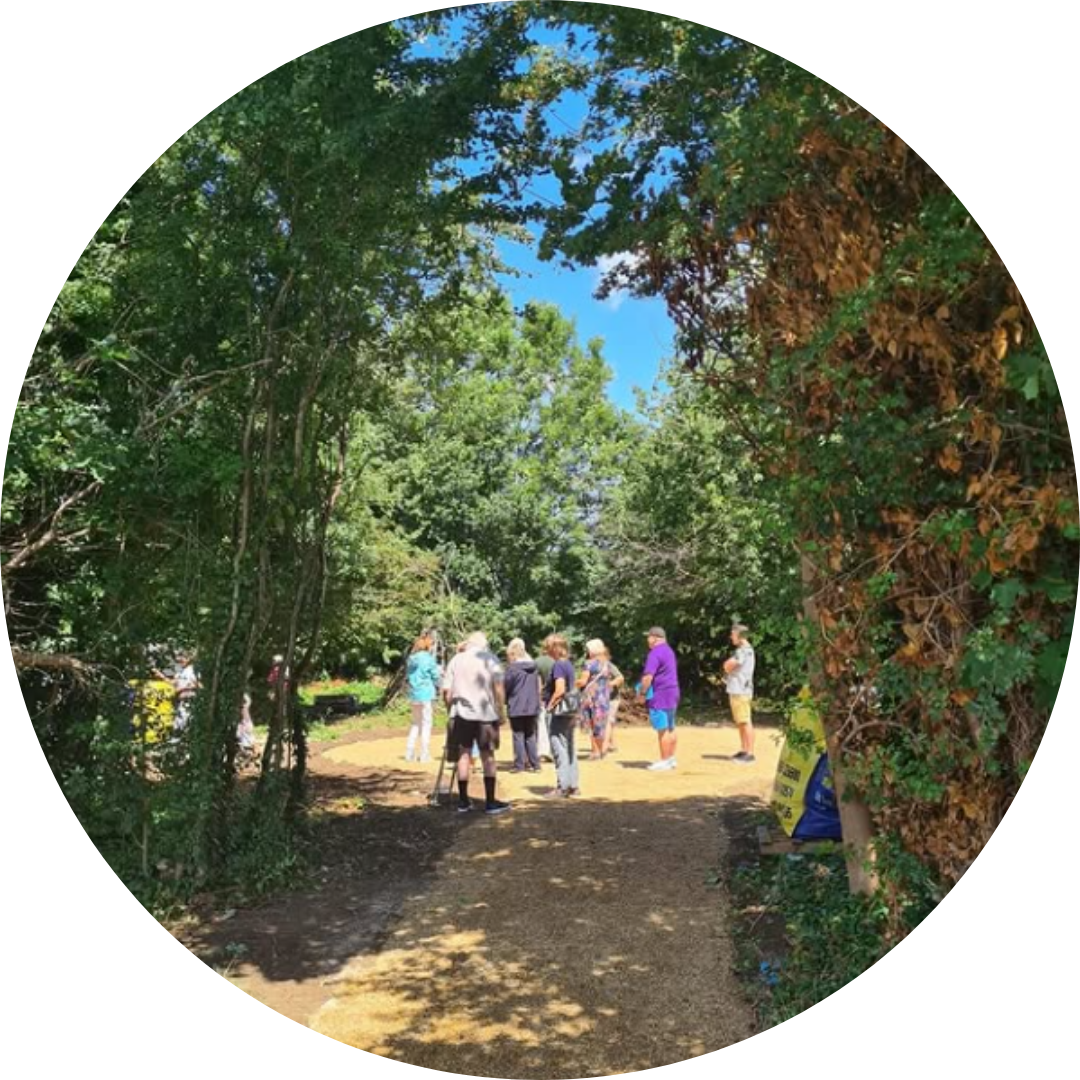
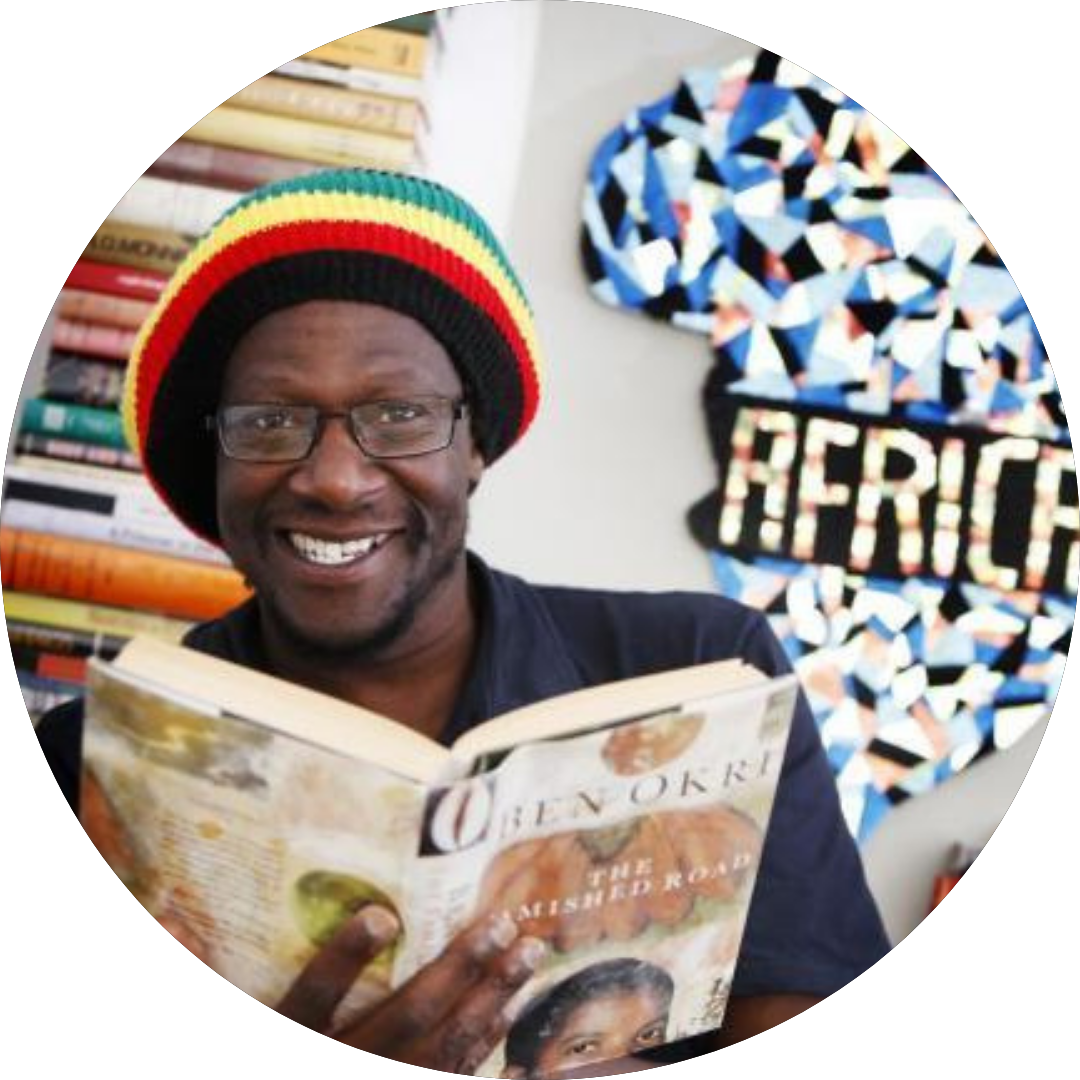
Natty Mark Samuels: Making space for African diaspora communities in The Leys

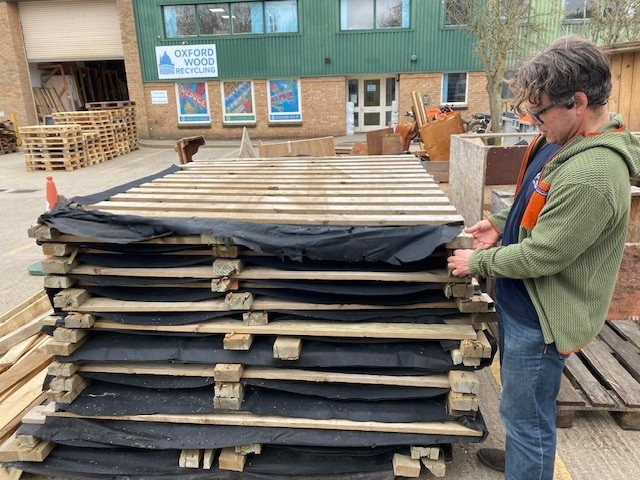
Oxford Wood Recycling: Making space to reduce construction waste while building community
Sustainable Wantage: Making space for a sustainable future in Wantage

Why ‘glimpses of a possible future’?
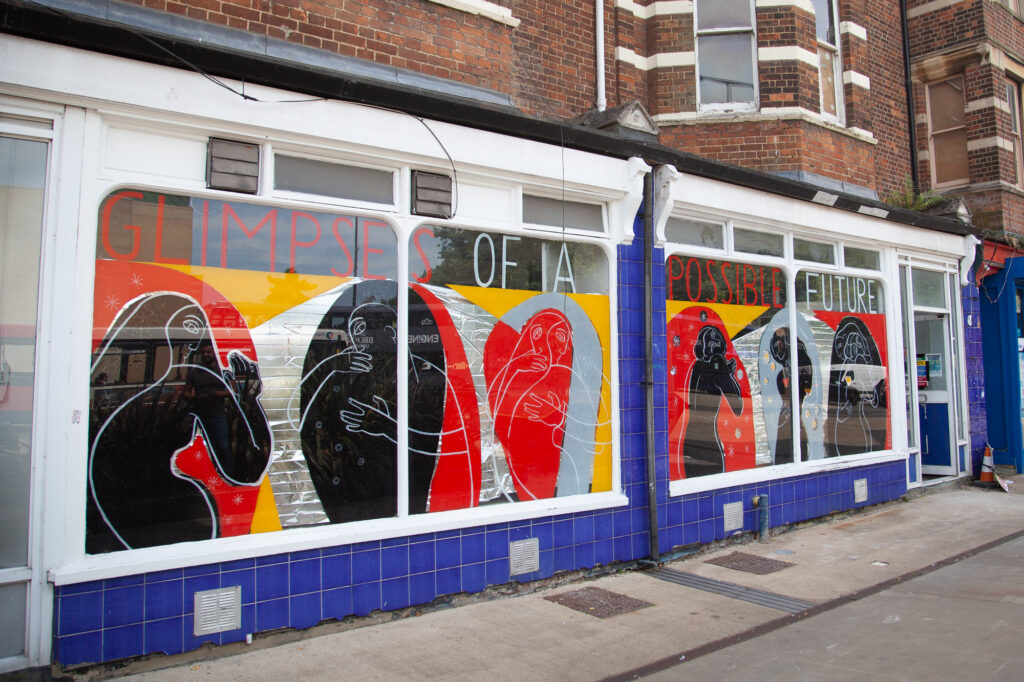
Back in 2020, local artist and former Makespace resident, Nor, created an intervention in the window of an empty building in Oxford city centre which would later become the Community Works. This beautiful creation was designed to signal that change - and the reanimation of these neglected buildings - was seeded. In these five simple words Nor encapsulates perfectly what Makespace and many around us are trying to do; create glimpses of a future we all want to be part of. Since then, through our 2025 refounding, this work has continued, unlocking space, supporting communities to take it on, and shifting how land and buildings are used.
In search of ingredients
As part of the series of conversations, we invited some of our partners and co-curators to sit with us, share their journey, their learnings and their hard-won insights.
We asked each group, what ingredients would you like to offer up from what you’ve learned for co-creating a future that we all want to be a part of, that fosters a sense of belonging and centres health, equity and joy?
Who we spoke with
#01 The Berin Centre: Making space for the whole community in Berinsfield
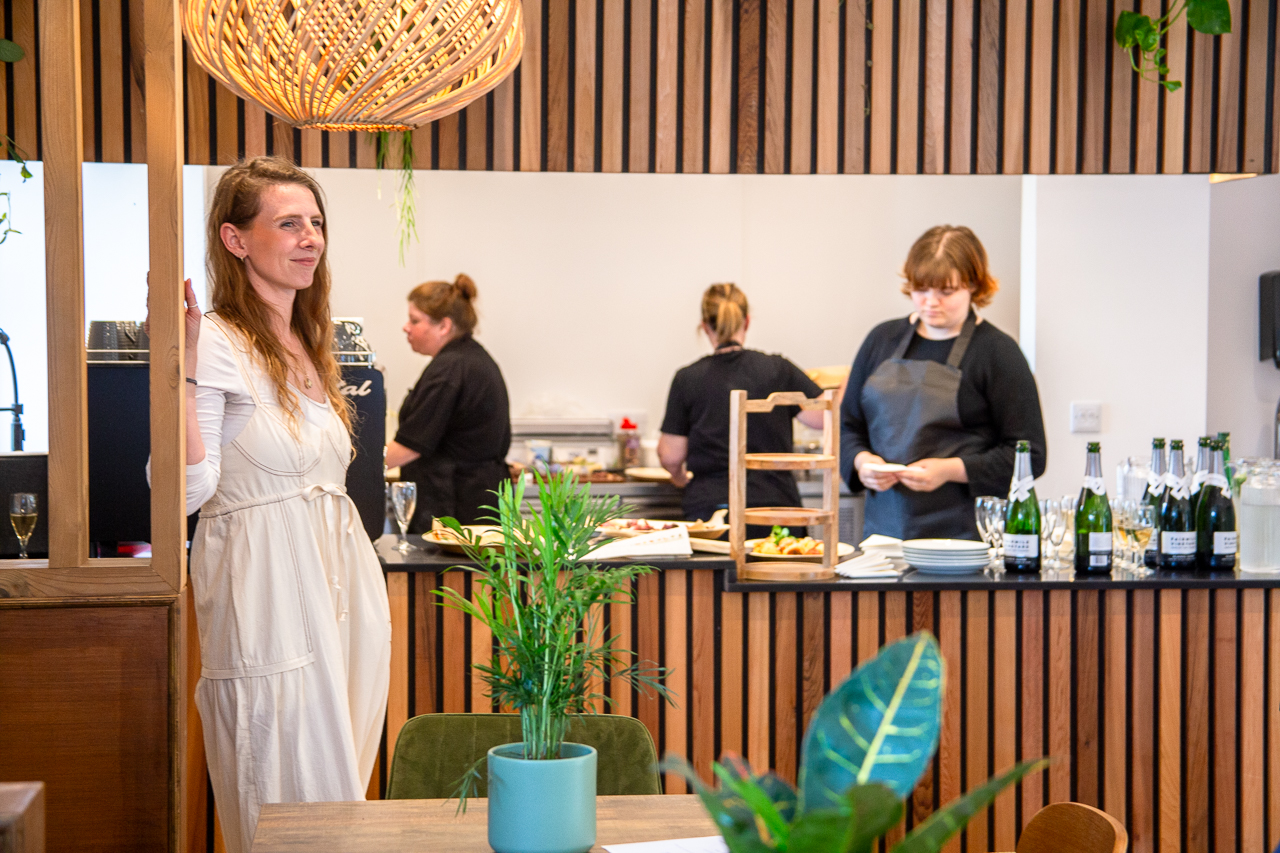
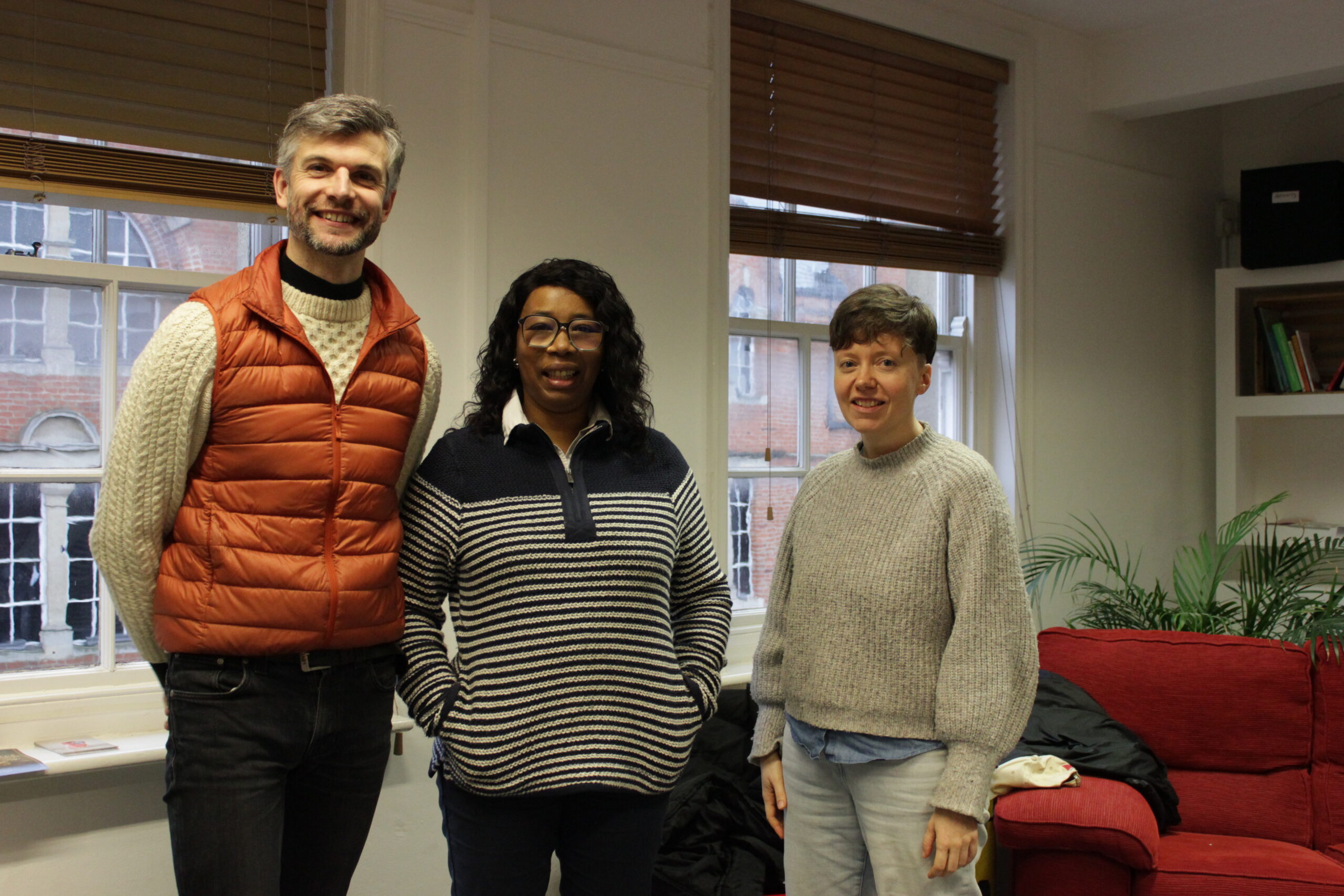
We spoke with Laura Harte, director of The Berin Centre, a community centre in Berinsfield, Oxfordshire. The Berin Centre offers services for the whole community, from parents and young children to older adults.
We discussed social infrastructure – the physical spaces that can foster community connection and improve quality of life – and the benefits of the broad scope the centre has. We explored the work that Laura and The Berin Centre are doing, such as community growing, play sessions, and support groups. Laura focused on the idea of meaningful community led design and services, and the willingness to change and adapt according to need, without being precious about a service or idea.
“Berinsfield is one of the most recent villages to have been built in the UK and it was kind of just plonked together. People love living there and there’s a real sense of community pride… but there’s not that connection to the land itself and we wanted to try and rebuild some of that connection.”
Laura Harte, The Berin Centre

#02 Ultimate Picture Palace: Making space for community connection through film
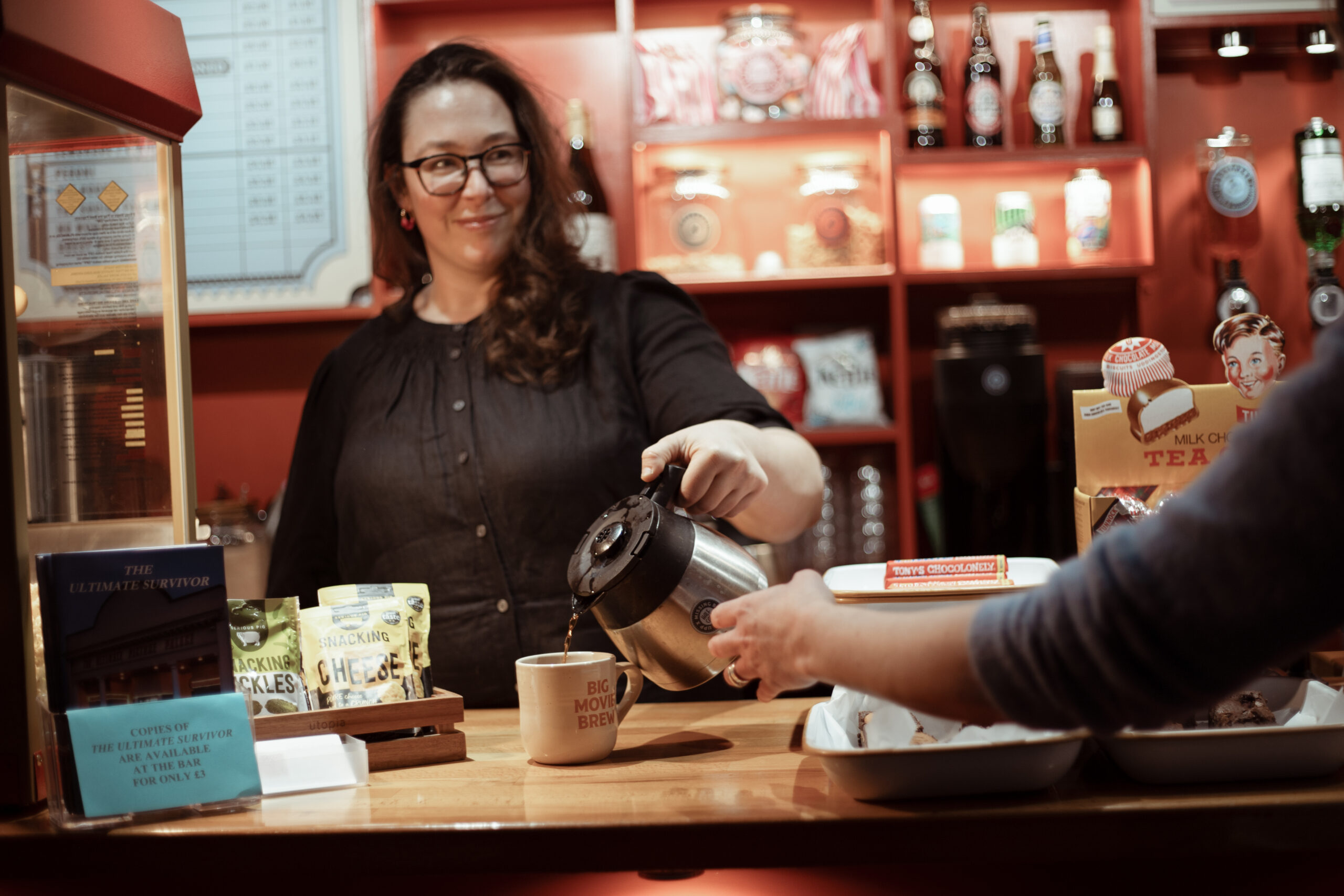
We talked with Micaela Tuckwell, executive director of The Ultimate Picture Palace, a community run cinema in East Oxford. The UPP originally opened in 1911 and has been in the hands of the community since 2022. This year, in 2026, it was announced that the Oxford college that owns the building is not planning to renew the lease, so our discussion was set against the backdrop of a campaign to save the UPP.
Micaela told the story of the UPP’s journey to community ownership as an organisation, and touched on why it’s vital to have a long-term, secure lease on the space to keep it alive in the neighbourhood. We discussed the importance of the cinema in the local community and how consulting multiple voices is part of what makes it so successful.
“It’s independent cinemas who can have those relationships with their community, and the local schools and charities and filmmakers… Independent cinemas are where people come who want to further their love of film in a really sort of community-based way.”
Micaela Tuckwell, Ultimate Picture Palace

#03 YWMP: Making space for young women, trans and non-binary people in music
We caught up with Zahra Haji Fath Ali Tehrani, director of local charity YWMP, and Lauren Corona, a volunteer at the organisation and member of its safer spaces steering committee. YWMP is an organisation for women, and trans and non-binary people aged 14 to 24 where attendees can make music, learn new skills, express themselves, and grow in confidence.
We discussed how the lack of access to appropriate space over the charity’s 25 plus year history has affected it, and what it means to have its new space The Nest, which opened in 2025. And why it’s important for people from marginalised genders to have their own spaces to grow, in the music world and beyond.
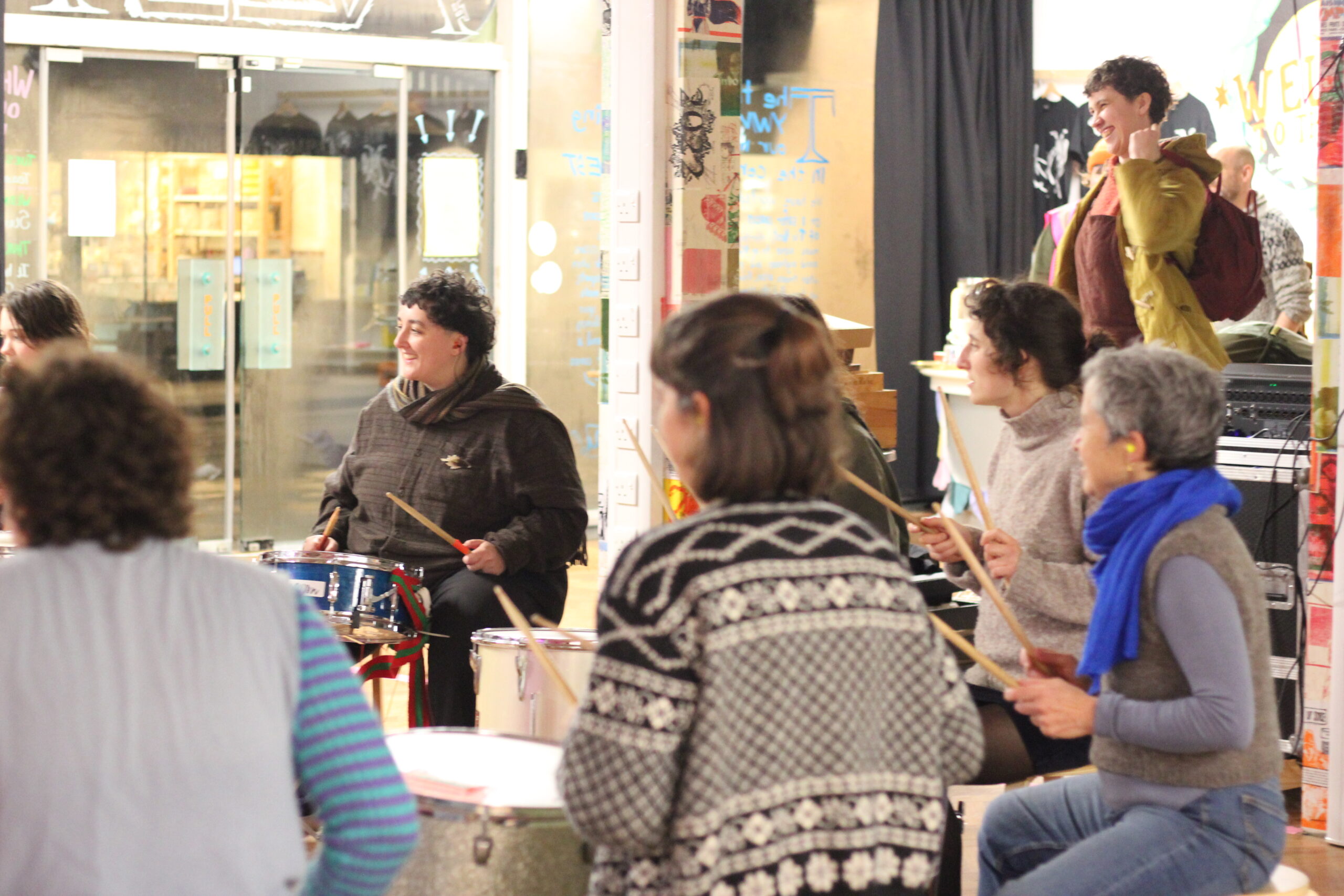
Photo: Jilaine Wheatcroft
“Just watching younger people have autonomy, like the fact that I can walk away and they’re running the space without me, is like such a beautiful feeling and I just want more of that; for them to feel powerful in their knowledge.”
Zahra Haji Fath Ali Tehrani, YWMP
#04 Marta Lomza & Paula Fontaine: Making space for community gardens to support connection and wellbeing
We chatted with Marta Lomza, community garden coordinator for CAG Oxfordshire and Paula Fontaine, director of Body Mind Soul CIC, which runs The Wellbeing Garden. We talked about community gardens and what they mean for local neighbourhoods. Yet, it’s not always easy to find places to grow, even when land is sitting unused and unloved.
We touched on how community gardens aren’t all about growing, but are a way of getting people together – and that’s where the magic happens. Paula’s focus on mental health and wellbeing is a beautiful way to view these spaces. And sometimes it is just about having a suitable place and resources to grow types of culturally important produce that are impossible to source in a supermarket.
“When working with land, you want long term security. And I’m not talking 2 years, I’m talking 10, 20 years. I’m talking multigenerational. You want to know that there’s scope for developing and nourishing and nurturing a piece of land for generations to come.”
Marta Lomza, CAG Oxfordshire

#05 Oxford Wood Recycling: Making space to reduce construction waste while building community
This episode saw us in discussion with Oxford Wood Recycling CEO Adrian Sell. Oxford Wood Recycling was established in 2005 to address the sustainability issues surrounding wood waste management in the UK whilst providing opportunities to re-enter the workplace for people with disabilities or facing other barriers to employment.
We delved into some of the issues surrounding wood waste and how OWR manages to reuse or recycle it. But, the organisation does far more than just that, benefitting the local community through the sharing of skills and working with young people.
“There are a lot of people who don’t get on at school in an academic setting but when they get into a workshop they suddenly feel a lot more at home, a lot more at ease and have huge talents and skills that they can develop and build. That helps build their confidence and kind of opens up another avenue in terms of future potential working or hobbies or whatever it may be.”
Adrian Sell, Oxford Wood Recycling
#06 Natty Mark Samuels: Making space for African diaspora communities in The Leys
Natty Mark Samuels is the founder of the African School and the Leys Community Astronomy Club. We talked to him about the work he does with communities in The Leys, whether teaching African Studies or sharing his love of astronomy.
We discussed how African achievements have historically been overlooked by educational institutions and what he’s doing to counter that narrative. He focused on his love for The Leys and desire to see good things happen for his community, alongside the need for local spaces where this work can happen.
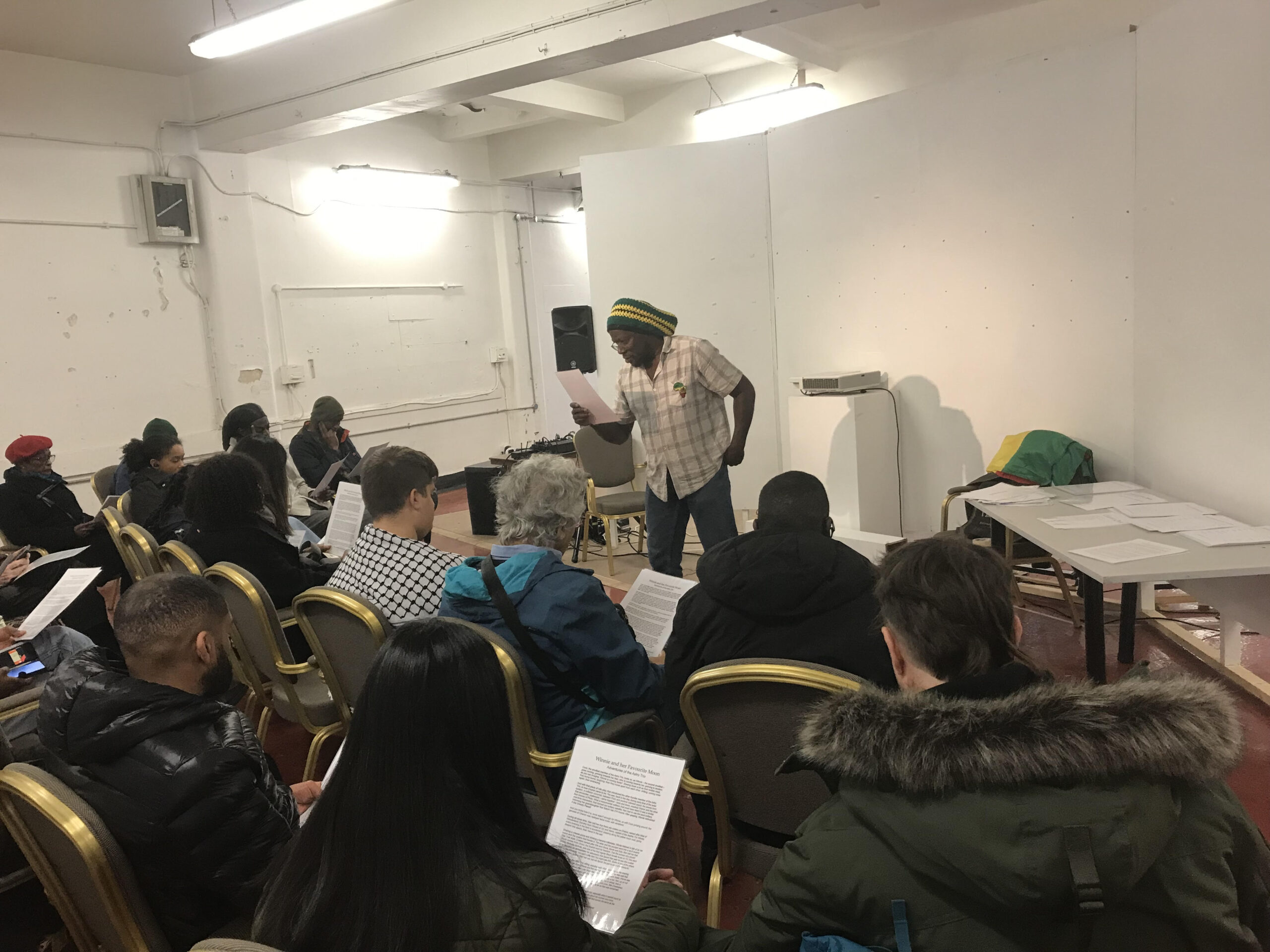
“When we think about astronomy clubs… we think of them in more affluent areas, but I want to offer people on the estates the chance to share my fascination with astronomy and the beauty of the night sky. And especially to target certain groups. I’d like to work with young offenders and say, ‘look, here’s something else that you can do in the evening.’”
Natty Mark Samuels, The African School
#07 Sustainable Wantage: Making space for a sustainable future in Wantage
Chatting with Jo Harvey, sustainability coordinator at Sustainable Wantage, allowed us to hear about all wide-ranging work the organisation is doing within its community. We learnt about how the organisation started and how it changed in response to local needs over the national lockdowns in 2020.
Jo reflected on why the project links environmental action with social support, from food growing to the local food pantry, and why holding community space on the high street matters. She talked about interconnectedness of the climate movement and how people bring their distinct skills, knowledge and experiences to the table that can be be vital in their own ways.
“Having a space to do something is of primary importance, I think, and also having that in the high street so it’s really visible. Here’s somewhere you can come, you don’t necessarily have to be spending money. It’s open to everybody. Sometimes people just pop in for a chat or to ask any kind of random question. And that’s really lovely that it’s not a kind of shop space. It’s something a bit different.”
“Having a space to do something is of primary importance, I think, and also having that in the high street so it’s really visible. Here’s somewhere you can come, you don’t necessarily have to be spending money. It’s open to everybody. Sometimes people just pop in for a chat or to ask any kind of random question. And that’s really lovely that it’s not a kind of shop space. It’s something a bit different.”
Jo Harvey, Sustainable Wantage
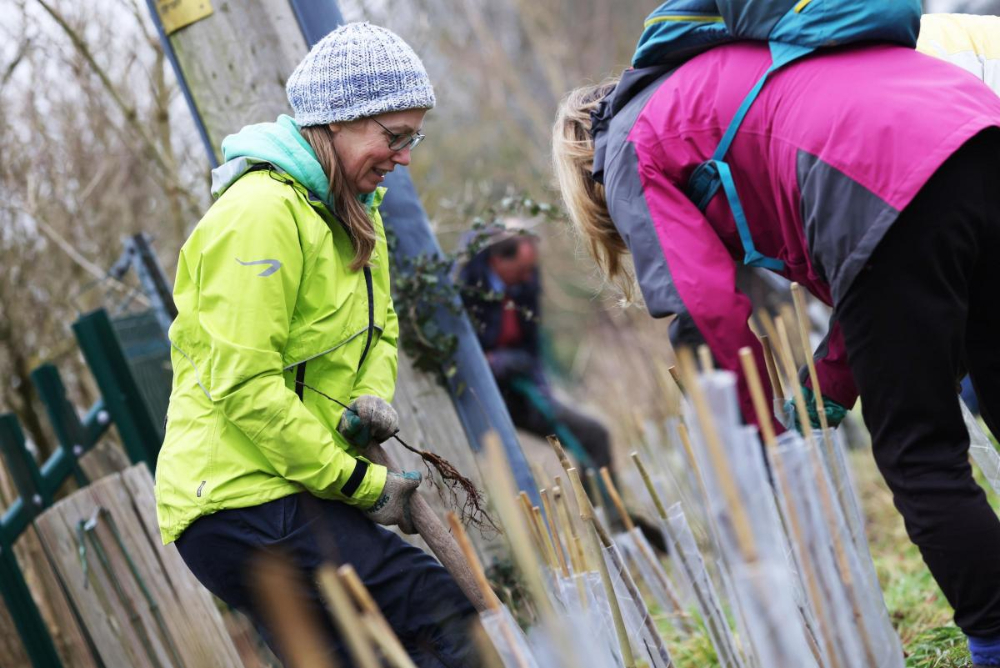
Photo: Ed Nix

#08 Mandala Theatre Company: Making space for people of colour and white working class people to tell their stories
Mandala Theatre is a global majority-led company creating theatre with social justice at its heart. Its work includes a touring company and a creative arts programme for young people from marginalised backgrounds. We talked with its founder and artistic director Yasmin Sidhwa.
Yasmin gave voice to the importance of storytelling to change hearts and minds, especially in times that seem dark and hopeless. And how it’s important that voices that aren’t usually heard are given the space and platform to tell their stories. We got into the importance of having space to do the work and Mandala’s desire for a permanent home.
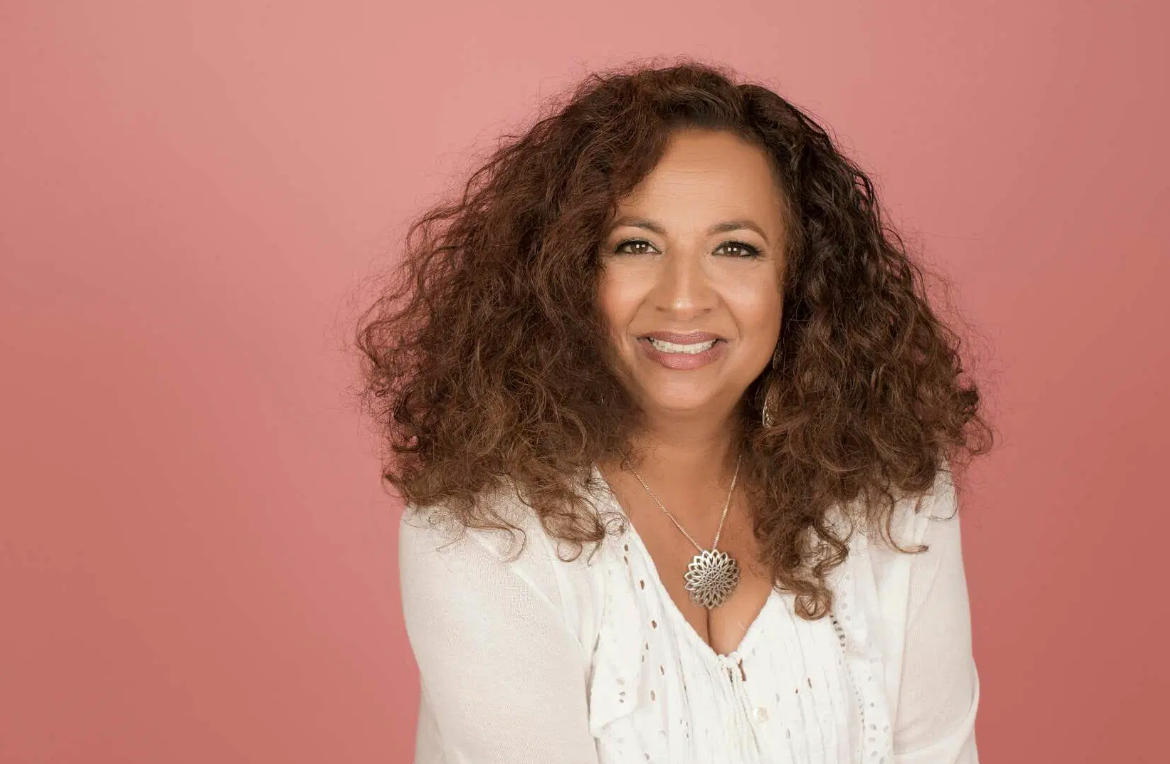
Photo: Jennifer West Photography
“All these distractions about division and blame, they’re all about trying to squash our ability to dream. We’ve just got to go beyond that and dream our future. And our future is about equity, about fairness, about kindness, about love.”
Yasmin Sidhwa, Mandala Theatre Company